
Proper sampling of green coffee beans: Why accurate measurements can still yield incorrect results?
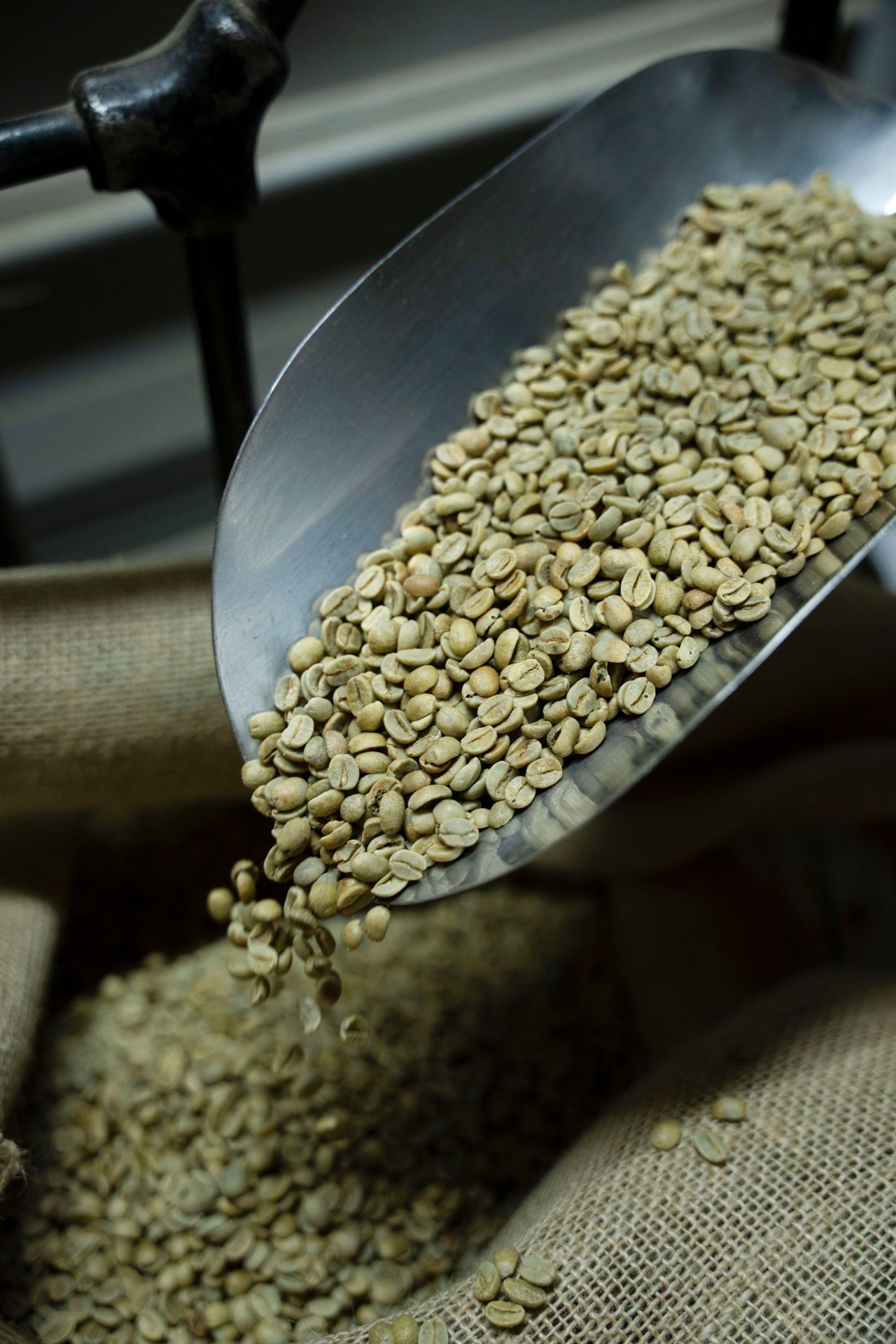
A coffee lot may have its moisture content measured with high-quality equipment, defects classified using correct methods, and sensory evaluation performed by experienced professionals. However, if the sample tested is not representative of the entire lot, the results may still lead to an incorrect trading decision.
This issue is often overlooked in green coffee quality control. We spend considerable time debating acceptable moisture levels and defect rates, but sometimes fail to answer the primary question: does the portion of coffee selected for testing truly reflect the entire lot?
1. Measurements only reflect the tested sample
Imagine a shipment consisting of multiple bags of coffee. Some bags may contain uniform beans, while others may have higher proportions of broken beans, black beans, or foreign matter. Moisture content may also be inconsistent if drying, cooling, or storage processes are not well controlled.
If the sampler opens only one bag at the top and takes a handful of visually appealing beans, the test results may appear excellent. However, these results describe only the sampled portion and do not provide sufficient basis to conclude that the entire lot meets quality standards.
Three concepts must be distinguished:
- Primary sample: a quantity of coffee taken from a single location or sampling unit.
- Composite sample: a collection of multiple primary samples taken according to a defined plan.
- Test sample: a portion of the sample divided out for measurement, classification, or sensory evaluation.
A test sample is reliable only when the sampling, mixing, and dividing procedures minimize potential biases within the lot.
2. What do coffee sampling standards specify?
ISO 4072 — Green coffee in bags — Sampling is the reference document for sampling bagged green coffee to verify compliance with trade requirements. The standard covers sample extraction, sample preparation, packaging, labeling, and storage during transport.
When applied in practice, it is necessary to verify the current version of the standard, its scope, and the sampling terms in the contract. One should not arbitrarily set a fixed number of bags or sample mass and apply it to all types of lots.
Bagged coffee, bulk coffee in silos, pre-contract samples, and samples for dispute resolution may require different sampling plans.
3. How to obtain a representative sample from a bagged coffee lot
Step 1: Clearly define the lot to be inspected
Before sampling, identify which bags constitute the lot, whether they contain the same coffee type, originate from the same source, and have been stored under the same conditions.
If the bags differ in origin, warehouse entry date, or storage condition, they should not automatically be combined into a single homogeneous lot. When significant differences exist, the lot should be separated or a separate sampling plan developed.
Step 2: Sample from multiple bags and positions
Do not sample only the most accessible bags. Bag selection must be evenly distributed across the lot according to a predefined plan, avoiding subjective choices such as selecting only clean, dry, or visually appealing bags.
For bagged coffee, specialized sampling tools help extract beans from inside the bag rather than only from near the bag opening. The tools and procedures must comply with applicable standards, bag conditions, and safety protocols.
Step 3: Create a composite sample and mix thoroughly
The subsamples collected according to the plan must be combined into a composite sample. Mixing the sample helps reduce the likelihood that an abnormal portion of beans is overly concentrated in the final test sample.
Mixing does not mean eliminating the lot's issues. If the lot has distinctly different quality groups, blending them together can obscure the distribution of defects. When investigating heterogeneity, it is advisable to retain information on each sampling location rather than relying solely on a single composite sample.
Step 4: Divide the test sample and retain a reference sample
The portion intended for testing must be divided from the mixed sample using an appropriate method, avoiding the practice of grabbing a handful of beans from the surface and considering it representative. Specialized sample dividers can help reduce bias compared to arbitrary manual division.
If there is a risk of dispute in the transaction, a clearly identified and sealed reference sample should be retained. The reference sample must originate from the same composite sample and be stored appropriately to allow for verification if needed.
4. Sample storage is as important as sampling
Coffee samples may change if exposed to an unsuitable environment after collection. For samples used to measure moisture content, water vapor exchange with the air can skew results. Therefore, clean, dry, odor-free containers that are properly sealed for the specific test must be used.
Each sample should have a unique identification code and record at least the minimum information necessary for traceability:
- Lot code, coffee type, and origin if known.
- Date, time, and location of sampling.
- Sampler and the sampling method applied.
- Number of bags or scope of the lot sampled.
- Purpose of inspection: moisture content, physical defects, screen size, sensory evaluation, or contract verification.
- Sealing status, storage conditions, and the person who received the sample.
For tests sensitive to moisture, special attention must be paid to the time elapsed between sampling and measurement. A result differing from the control sample does not necessarily originate from the lot itself; deviations may arise during sampling, division, transport, or storage.
5. Mistakes that invalidate test results
| Mistake | Potential consequence | Mitigation strategy |
|---|---|---|
| Sampling only from a few convenient bags | Overlooking variations between different parts of the lot | Plan the selection of bags and sampling locations |
| Selecting only visually appealing beans | Underestimating the defect rate | Sample according to procedure, without selecting based on appearance |
| Blend heterogeneous lots | Obscure differences between sources | Define lot scope and segregate groups when necessary |
| Divide the sample by arbitrary scooping | The test sample no longer represents the bulk sample | Use an appropriate sample division method |
| Do not seal or label with codes | Difficult to trace and verify in case of dispute | Label, seal, and maintain records |
6. How does proper sampling facilitate more transparent transactions?
For sellers, a clear sampling procedure reduces the risk of being undervalued due to unrepresentative samples. For buyers, this procedure limits the possibility of accepting a shipment whose actual quality is lower than that of the tested sample.
In export operations, representative sampling also helps link inspection results to contracts, quality records, and complaint resolution processes. The FAO document on coffee quality standards also addresses the role of samples in trading and quality inspection.
The core point is not to take as many samples as possible in every case. What is essential is a sampling plan suited to the scale, degree of heterogeneity, inspection purpose, and transaction requirements. When the method is agreed upon from the outset, inspection results carry greater weight and both parties have a clearer basis for resolving disagreements.